







The rapid ascent of Artificial Intelligence (AI) and the relentless expansion of the digital sector are not just reshaping industries; they are fundamentally transforming the very nature of work itself. For many, the specter of AI conjures images of job displacement, but a closer look reveals a more nuanced and ultimately optimistic picture: one of significant job creation and unprecedented opportunities, particularly within forward-thinking regions like the GCC. This isn’t just a technological revolution; it’s a “Great AI Talent Shift,” where new, specialized roles are emerging to manage, optimize, and ethically guide our intelligent machines, while others evolve or fade.
The Dawn of New Professions: Architects of the AI Age
The most exciting aspect of this shift is the birth of entirely new professions, roles that were unimaginable just a few years ago. These aren’t simply extensions of existing jobs; they are fundamental to harnessing the power of AI effectively and responsibly.
- Prompt Engineers: As AI models become more sophisticated, the ability to craft precise, effective prompts to elicit desired outcomes becomes a critical skill. Prompt engineers are the bridge between human intent and AI execution, translating complex needs into clear, actionable instructions for generative AI, large language models, and other intelligent systems. They are part artist, part scientist, understanding the nuances of AI behavior and language to unlock its full potential.
- AI Auditors and Ethicists: With AI permeating every aspect of our lives, ensuring its fairness, transparency, and accountability is paramount. AI auditors will specialize in scrutinizing algorithms for bias, security vulnerabilities, and adherence to regulatory standards. AI ethicists, on the other hand, will guide the development and deployment of AI with a strong moral compass, addressing questions of privacy, societal impact, and responsible innovation. Their role is crucial in building public trust and preventing unintended consequences.
- Agent Supervisors/AI Operations Managers: As autonomous agents and AI systems take on more complex tasks, human oversight remains vital. Agent supervisors will monitor the performance of AI systems, troubleshoot issues, refine their parameters, and ensure they operate within predefined guidelines. They are the air traffic controllers of the AI ecosystem, ensuring smooth and efficient operation.
- Data Curators and Annotators: The quality of AI output is directly linked to the quality of its training data. Roles focused on meticulously curating, cleaning, and annotating vast datasets will become even more critical, ensuring AI models learn from accurate, representative, and unbiased information.
- AI Integration Specialists: Bridging the gap between cutting-edge AI technologies and existing business infrastructures will require experts who can seamlessly integrate AI solutions into various operational workflows, optimizing processes and driving efficiency across sectors.
Evolving Roles and the “Dying” Jobs Narrative
While new roles emerge, some traditional jobs will undoubtedly undergo significant transformation or, in some cases, become obsolete. Repetitive, manual, or highly process-driven tasks are prime candidates for automation. For instance, certain data entry roles, routine administrative tasks, or assembly line functions may see reduced demand.
However, it’s crucial to view this not as an end, but as an evolution. Many roles will not disappear but rather be augmented by AI, allowing human workers to focus on higher-value activities requiring creativity, critical thinking, emotional intelligence, and complex problem-solving – areas where human capabilities remain superior. Customer service representatives, for example, might find AI handling routine queries, freeing them to address more complex or emotionally charged customer issues. Similarly, healthcare professionals will leverage AI for diagnostics and research, allowing them more time for direct patient care.
The GCC’s Vision: Cultivating the Future Workforce
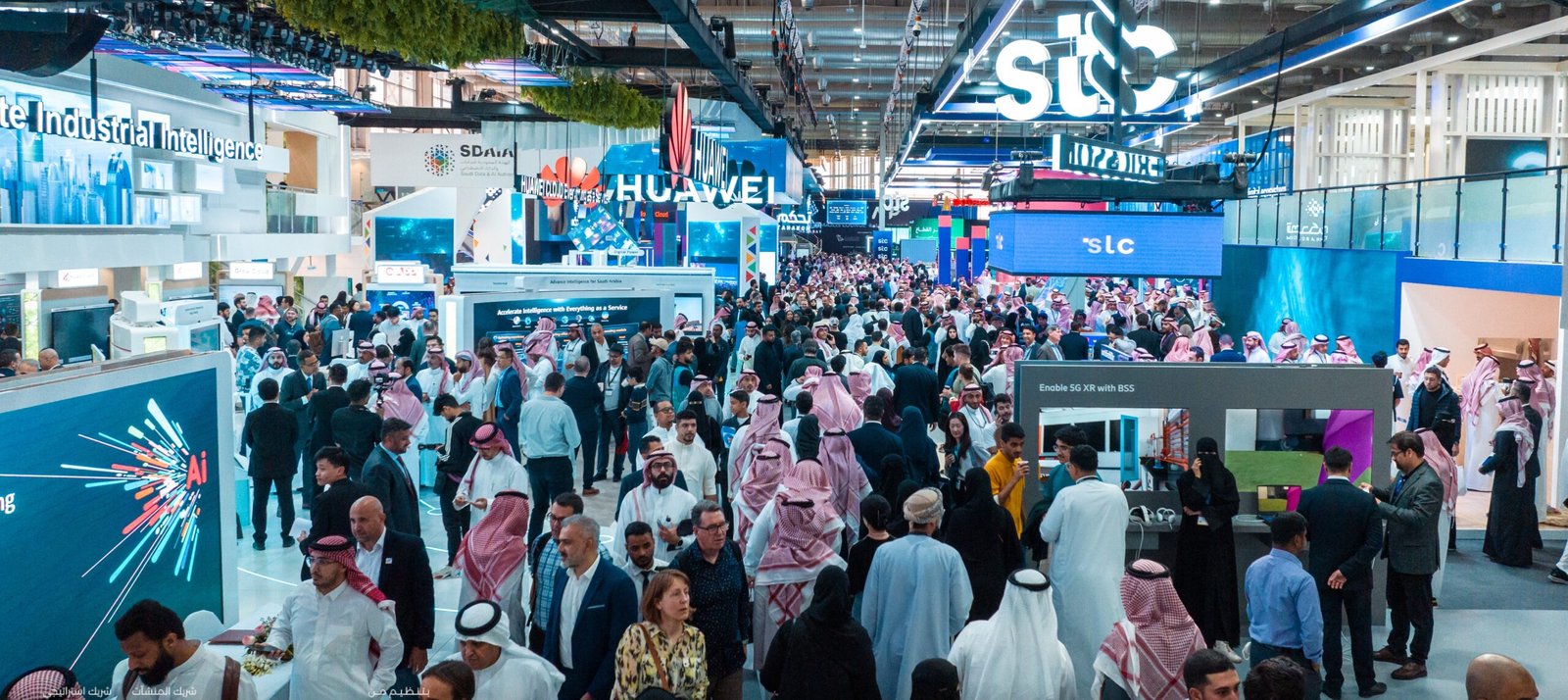
The GCC region, with its ambitious “future of work” initiatives, is uniquely positioned to capitalize on this AI talent shift. Visionary leaders across Saudi Arabia, UAE, Qatar, and beyond are heavily investing in digital infrastructure, AI research, and human capital development. This proactive approach includes:
- Education and Reskilling Programs: Governments and private sector entities are launching extensive programs to upskill and reskill their workforces, ensuring they possess the digital literacy, AI proficiency, and critical thinking skills needed for the jobs of tomorrow. This includes specialized AI academies, coding bootcamps, and partnerships with leading tech institutions.
- Attracting Global Talent: The region is actively attracting top-tier AI and digital talent from around the world, fostering diverse and innovative ecosystems. Initiatives like golden visas and attractive business environments are playing a key role in this.
- Fostering Innovation Hubs: Free zones, incubators, and smart cities are being developed to become epicenters for AI innovation, research, and startup growth, creating a fertile ground for new job creation.
- Government-led Digital Transformation: National digital transformation strategies are not just about adopting technology; they are about creating an environment where digital and AI-powered industries can thrive, thereby generating a sustained demand for skilled professionals.
The Path Forward: Embrace, Adapt, Innovate
The Great AI Talent Shift is not a threat to be feared, but an opportunity to be seized. For individuals, it demands a commitment to lifelong learning, adaptability, and the willingness to acquire new skills. For businesses, it necessitates strategic investment in AI technologies and, more importantly, in their human capital. For regions like the GCC, it’s a testament to a forward-looking vision that understands the future of work is not about replacing humans with machines, but about augmenting human potential through intelligent collaboration.
The jobs of tomorrow are being invented today. By embracing this shift, investing in talent, and fostering an environment of innovation, the GCC is set to emerge as a global leader in the new AI-powered economy, creating a wealth of opportunities for its people and beyond.